Cloud Migration & Strategy
Most cloud migrations fail not because the technology is wrong but because the strategy is. We assess your workloads, select the right migration approach for each one, and manage execution, from lift-and-shift to re-architecture.
Schedule a Free ConsultationThe cloud is not a destination; it's a set of operational choices that need to match your workloads, your team's capabilities, and your actual business constraints. A Maldives resort with six island properties has different connectivity considerations than a Colombo fintech. Both need cloud strategy, but not the same one.
We use the 6 Rs migration framework (Rehost, Replatform, Repurchase, Refactor, Retain, Retire) to classify every workload before deciding how to migrate it. Not everything should move, not everything should be rewritten, and doing the wrong thing with a workload will cost more to fix later than it saved by going fast now.
Migration strategies we apply
Every workload gets classified before we decide how to move it. The right strategy depends on complexity, risk tolerance, and business timeline.

Rehost (lift and shift)
Move workloads to cloud VMs with minimal changes. Right for expiring data center contracts or stable workloads too risky to re-architect under time pressure. Faster and lower risk, but leaves cost optimization on the table. We plan for a second-phase optimization pass.
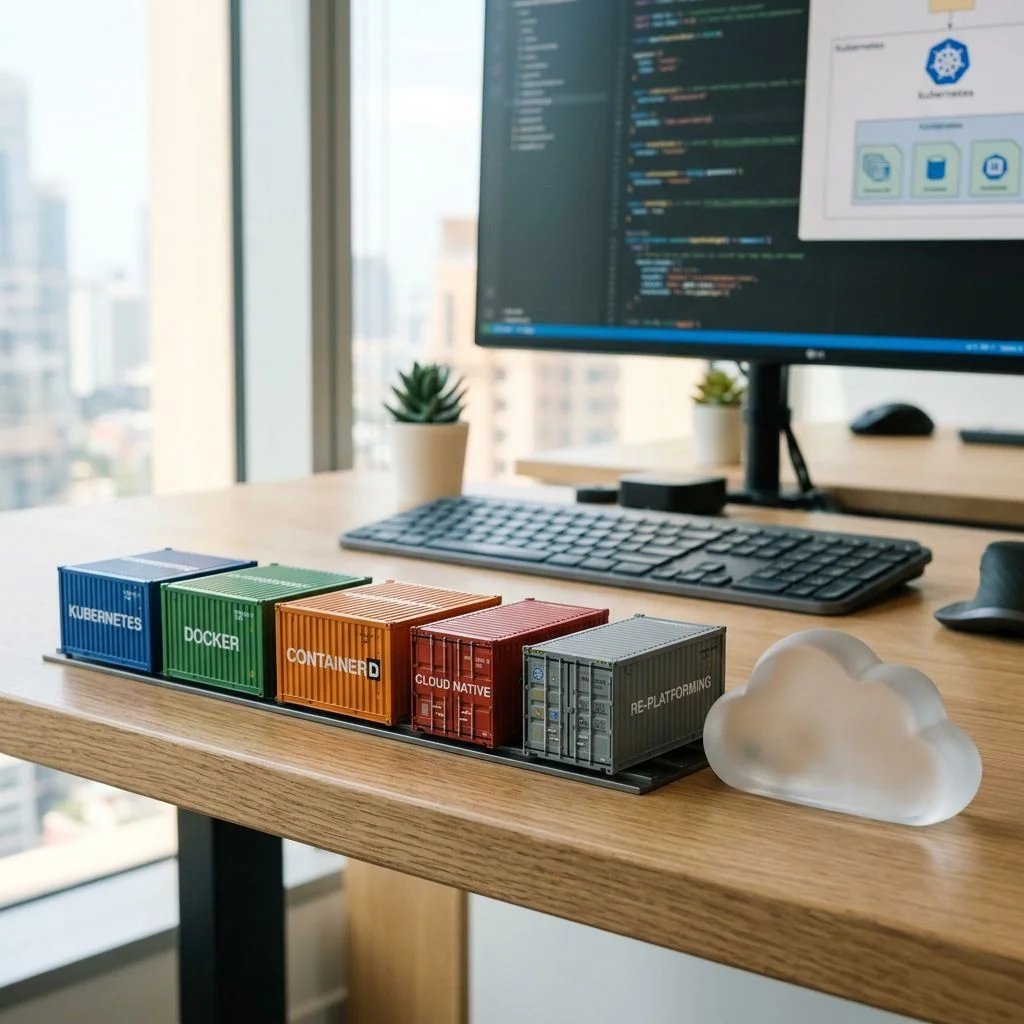
Replatform (lift, tinker, and shift)
Move to cloud with targeted optimizations: self-managed databases to managed services (RDS, Azure SQL, Cloud SQL), or containerizing applications without rewriting logic. Better cost profile than pure rehost, without the full cost of refactoring.

Refactor (re-architect)
Re-architect applications to use cloud-native capabilities: serverless, container orchestration, managed queues, event-driven architectures. Highest effort but best long-term profile. We apply this selectively where the business case is clear.

Retain and retire
Some workloads shouldn't move. Systems with high compliance complexity, specialized hardware dependencies, or very low utilization may be better retained on-premises or decommissioned. Identifying which workloads are not migration candidates is itself valuable.
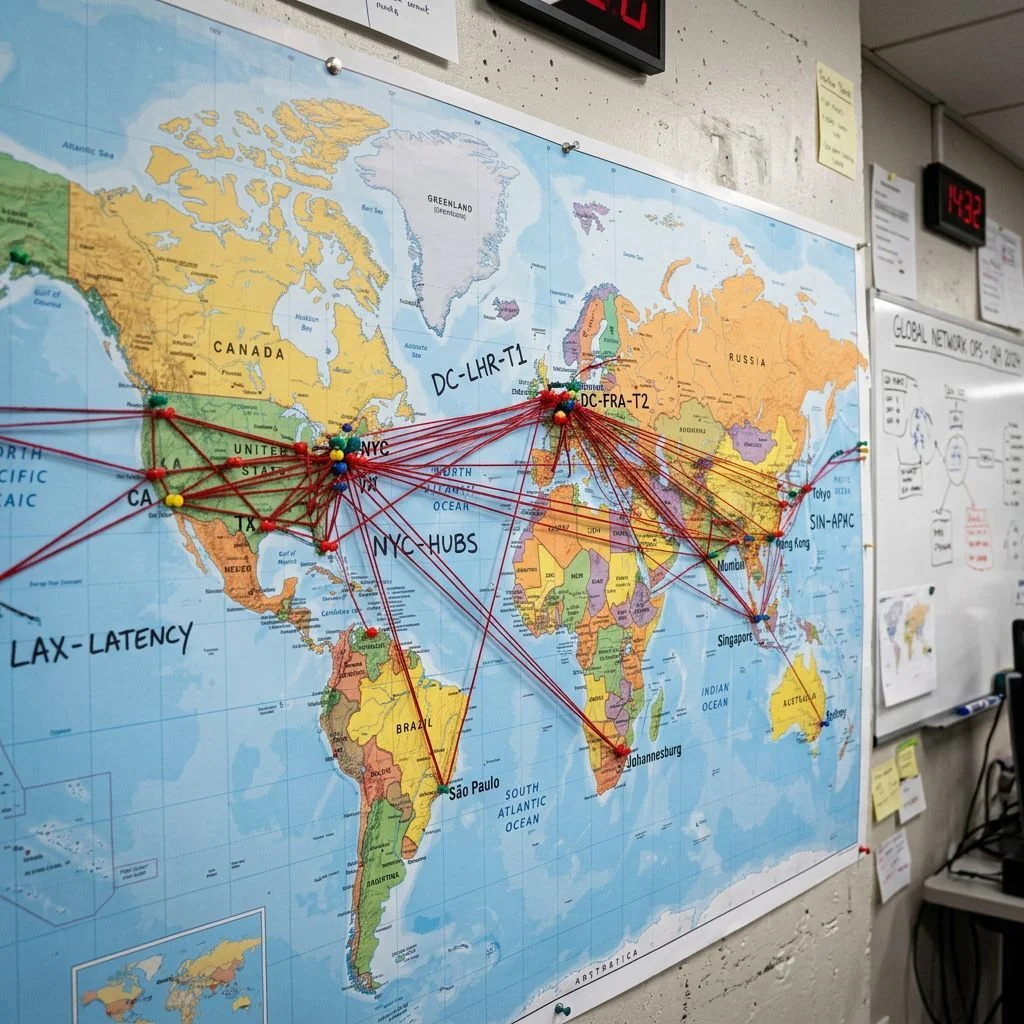
Provider and region selection for Maldives
AWS Mumbai (ap-south-1) and Singapore (ap-southeast-1) are primary candidates, with Singapore typically offering better Maldives latency. Azure Southeast Asia and Australia East are alternatives. We model latency and cost before recommending.
How a migration engagement works
Discovery and workload inventory
Enumerate all applications, databases, and dependencies. For each workload: architecture, performance requirements, data sensitivity, compliance obligations, and operational criticality.
Migration classification and business case
Apply the 6 Rs to each workload. Build a total cost of ownership comparison between current and target state, including licensing, operational overhead, and re-architecture investment.
Landing zone design
Design the target cloud environment before migrating anything. Account structure, identity federation, network topology, security baseline, logging and monitoring foundation.
Pilot migration
Migrate a low-risk workload first to validate the landing zone, migration tooling, and runbook. Every migration has surprises; the pilot is how you find them cheaply.
Wave migration and cutover
Migrate workloads in dependency-ordered waves with runbooks, rollback procedures, and post-migration validation. Critical systems have dual-run periods before decommission.
Post-migration optimization
The first 30-90 days post-migration are when most optimization happens: right-sizing instances, purchasing Reserved Instances, enabling auto-scaling. We stay engaged through this phase.
What you receive
Engagement deliverables
Workload inventory and classification
FoundationComplete application inventory with 6 Rs classification, migration priority, and dependency map.
Migration business case
For leadershipTotal cost of ownership analysis comparing current state to target state, including infrastructure, licensing, and operational overhead.
Landing zone architecture
Well-ArchitectedTarget cloud environment design: account structure, network topology, identity federation, security baseline, and logging foundation.
Migration runbooks
Per waveStep-by-step migration and rollback procedures for each workload wave, detailed enough for your operations team to execute independently.
Post-migration optimization report
Cost savings30-90 day optimization findings with rightsizing recommendations, Reserved Instance purchasing, and quick-win cost reductions.
Operations handover documentation
Knowledge transferArchitecture documentation, operational runbooks, and knowledge transfer so your team can operate the migrated environment independently.
Who this is for
- → Organizations with on-premises infrastructure they want to exit: data center contracts expiring, aging hardware, or hosting costs that have become hard to justify
- → Resort groups and multi-property hospitality businesses looking to centralize operations and move property systems to cloud
- → Businesses that have already started a cloud migration but it's stalled, over budget, or the architecture isn't right
- → Organizations pursuing ISO 27001 or PCI DSS who need cloud infrastructure that meets audit requirements from the start
- → Companies with a software product currently self-hosted that want to move to a managed cloud environment
Plan your migration before you start it
Start with a free consultation. We'll review your current environment, identify your migration drivers, and tell you honestly what a well-structured migration would involve.
Schedule Free Consultation