Security Architecture
Security built into the design, not bolted on afterward. We assess your current architecture and design target-state security that reduces attack surface and contains blast radius.
Schedule a Free ConsultationMost security problems aren't tool problems; they're architecture problems. Flat networks where every device can reach every other device. Identity systems where service accounts have admin rights they accumulated over years. Guest Wi-Fi on the same network as back-office systems. Applications that trust everything inside the perimeter. These are design decisions, and fixing them requires architecture work, not more software.
We design security architectures that assume breach: systems are segmented so that one compromised host doesn't mean everything is compromised, access is granted on the basis of verified identity and context rather than network location, and monitoring is positioned to detect lateral movement rather than just perimeter intrusion.
Architecture domains we work across
Security architecture spans multiple layers. We design across all of them, not just one.
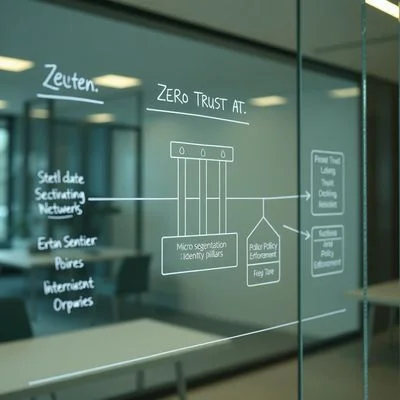
Zero trust architecture
Nothing trusted by default: not users, devices, or applications, regardless of network location. We assess against CISA's Zero Trust Maturity Model and NIST SP 800-207, then design a practical implementation roadmap across all five pillars.

Network segmentation and micro-segmentation
Dividing networks into isolated zones so compromise can't spread. For resorts: separating guest networks from back-office, isolating POS and PMS from corporate traffic. For cloud: VPC design and security group policies.

Identity and access management (IAM) architecture
Designing IAM that enforces least-privilege across users, service accounts, and applications. Federation, SSO, MFA, privileged access management, and cloud IAM policy design for AWS, Azure Entra ID, and GCP.

Cloud security architecture
Security architecture for cloud-native and hybrid environments: landing zone design, account structure, network topology, security service integration (SIEM, CSPM, WAF), and data protection. Grounded in Well-Architected Framework security pillars.
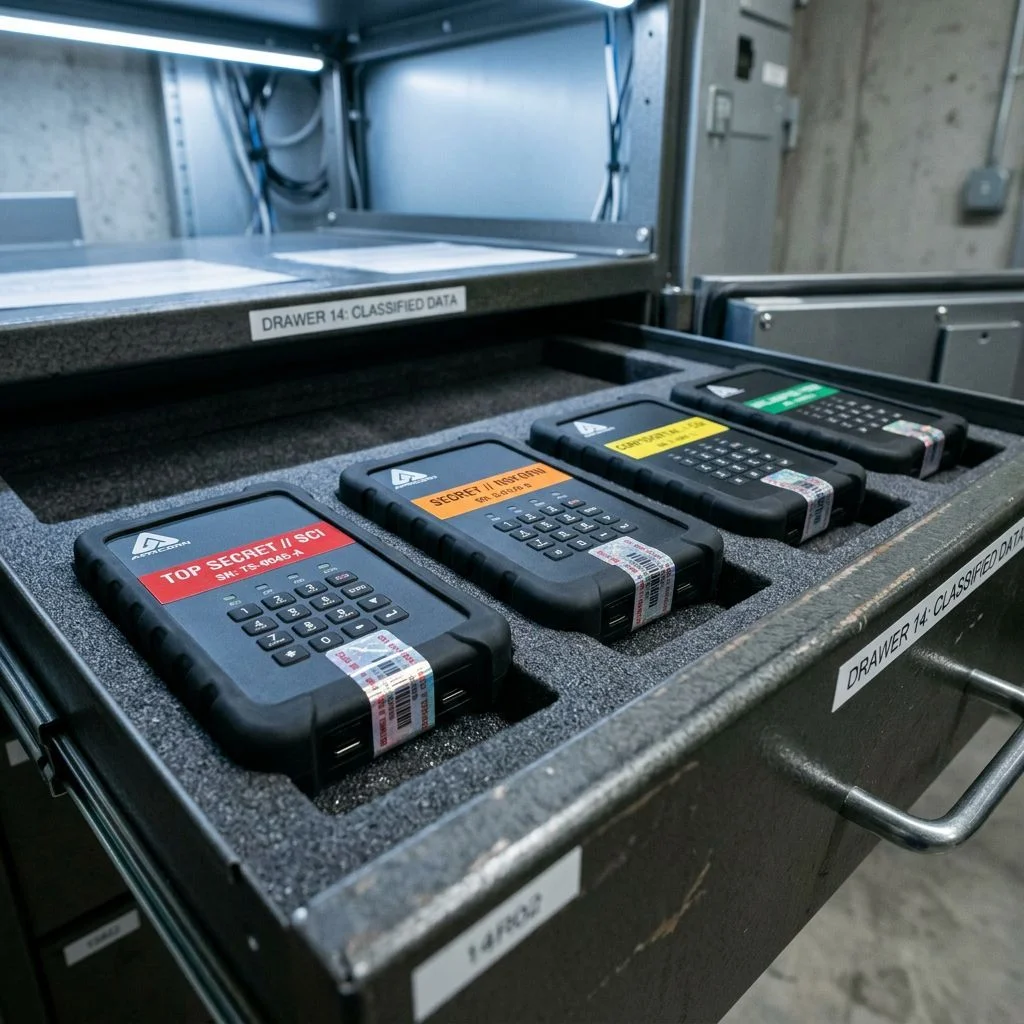
Data security architecture
How data is classified, protected at rest and in transit, access-controlled, and monitored. Data flow mapping, encryption architecture, key management, DLP design, and backup architecture for organizations handling PII, payment data, or regulated information.

Detection and monitoring architecture
The visibility layer: what logs to collect, where to send them, how to correlate, and what to alert on. SIEM architecture, detection use cases, and SOC integration. The hard problem is detecting lateral movement after a perimeter breach.
How an engagement works
Current state assessment
We document your existing architecture: network topology, identity systems, cloud configuration, data flows, monitoring coverage. We identify gaps that create real risk: not theoretical weaknesses, but exploitable architecture decisions.
Requirements and constraints
Understand business requirements, regulatory constraints, operational limitations, and budget realities before designing anything. Good architecture works within constraints, not around them.
Target-state design
Design the target security architecture across network, identity, cloud, data, and monitoring domains. Documented with diagrams, design decisions, and rationale. Achievable, not theoretical.
Implementation roadmap
Phased plan from current to target state, prioritized by risk reduction and operational impact. Each phase delivers measurable security improvement without disrupting operations.
Implementation guidance
We work with your engineering and operations teams through implementation: providing technical guidance, reviewing configurations, and validating that implemented controls match the design.
What you receive
Engagement deliverables
Current state architecture assessment
BaselineDocumented assessment of existing architecture with identified gaps, risk implications, and priority areas for improvement.
Target-state architecture document
DesignDetailed target architecture with diagrams, design decisions, and rationale across network, identity, cloud, and data domains.
Security control framework
Compliance-mappedMapped control framework showing which controls address which risks, aligned to applicable compliance requirements.
Implementation roadmap
Phased planPhased plan from current to target state, with effort estimates, dependencies, and risk reduction milestones.
Architecture decision records
ReferenceDocumented rationale for each significant architecture decision, valuable when team members change or decisions are questioned.
Zero trust maturity assessment
CISA-alignedCurrent maturity rating across the five CISA zero trust pillars with specific improvement actions for each pillar.
Who this is for

- → Organizations migrating to cloud who want security built into the architecture from the start
- → Resort groups with flat networks connecting multiple island properties who need proper segmentation
- → Businesses that have grown rapidly and whose security architecture hasn't kept pace
- → Organizations that experienced a breach and need to redesign their architecture to contain blast radius
- → Engineering teams building new systems who want independent security architecture review before they build
- → Any organization that trusts their internal network too much and wants to move toward zero trust
Build security in, don't bolt it on
Start with a free consultation. We'll discuss your current architecture, your biggest concerns, and what a security architecture engagement would involve.
Schedule Free Consultation